
An archipelago to be defended
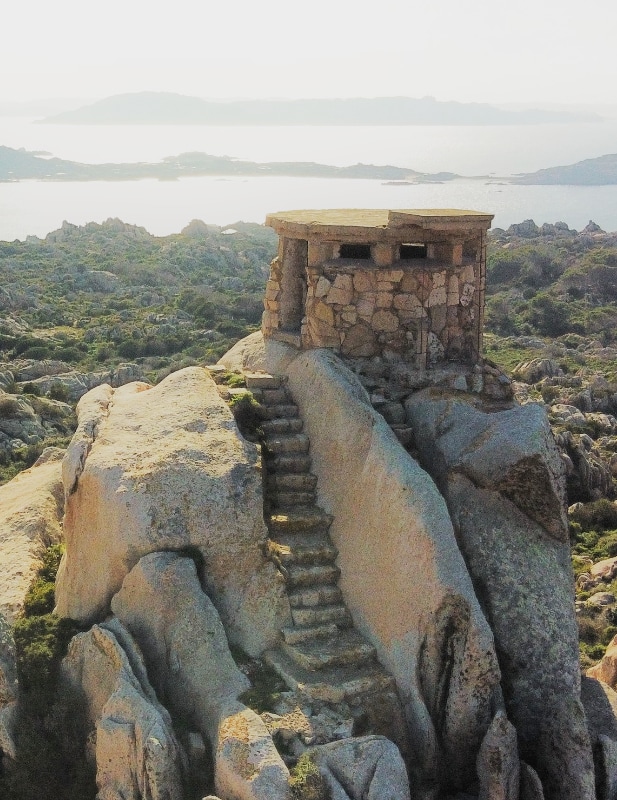
The civil history of the La Maddalena Archipelago began on October 14, 1767. The few hundred Corsican farmers distributed on the Collo Piano in La Maddalena and in the interior of Caprera subjugated themselves (W Chi Vince) to the Sardinian Piedmontese Troops, who, after the almost undisturbed invasion, wasted no time in building a military battery, to garrison the Maddalena village.
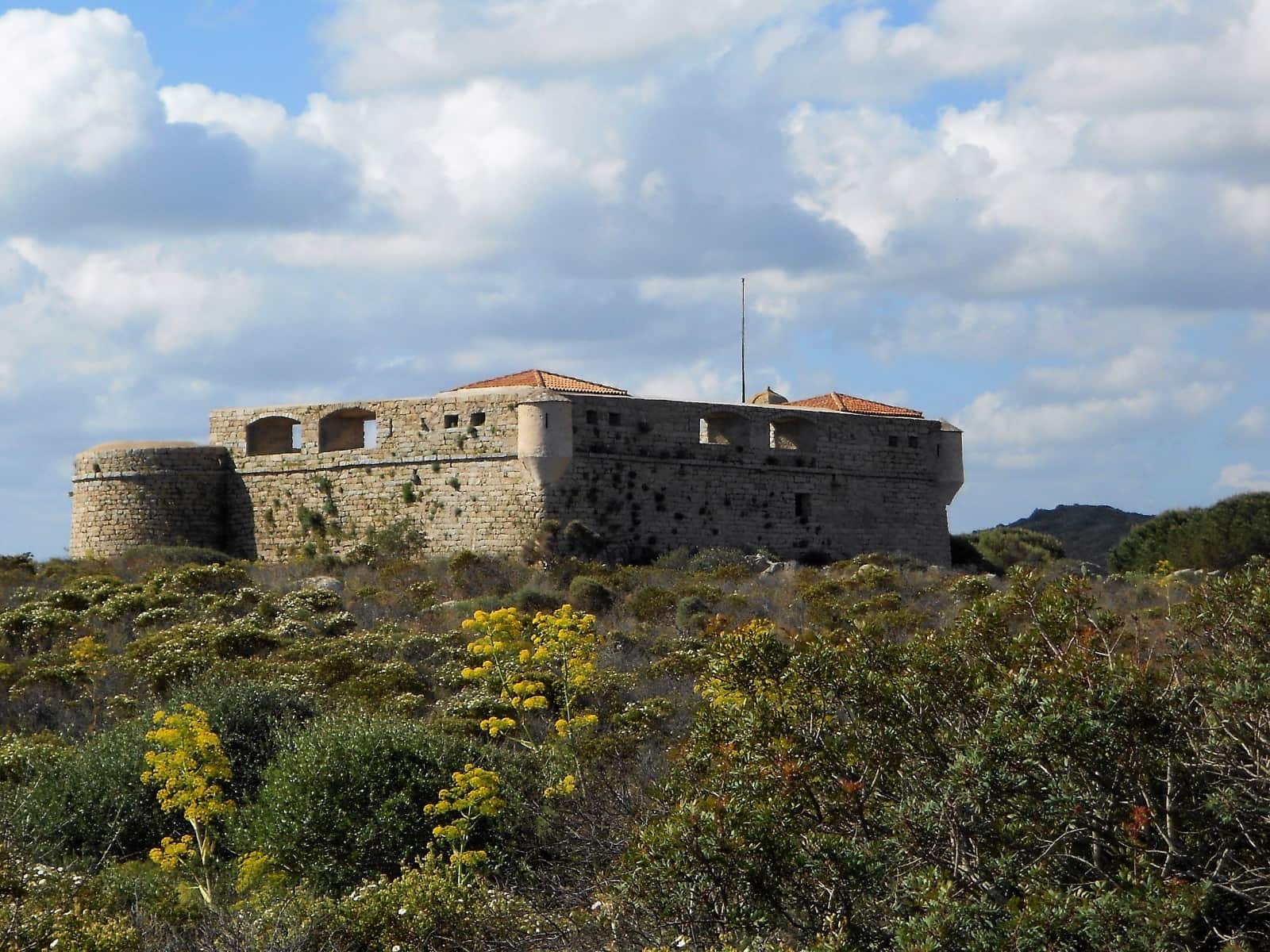
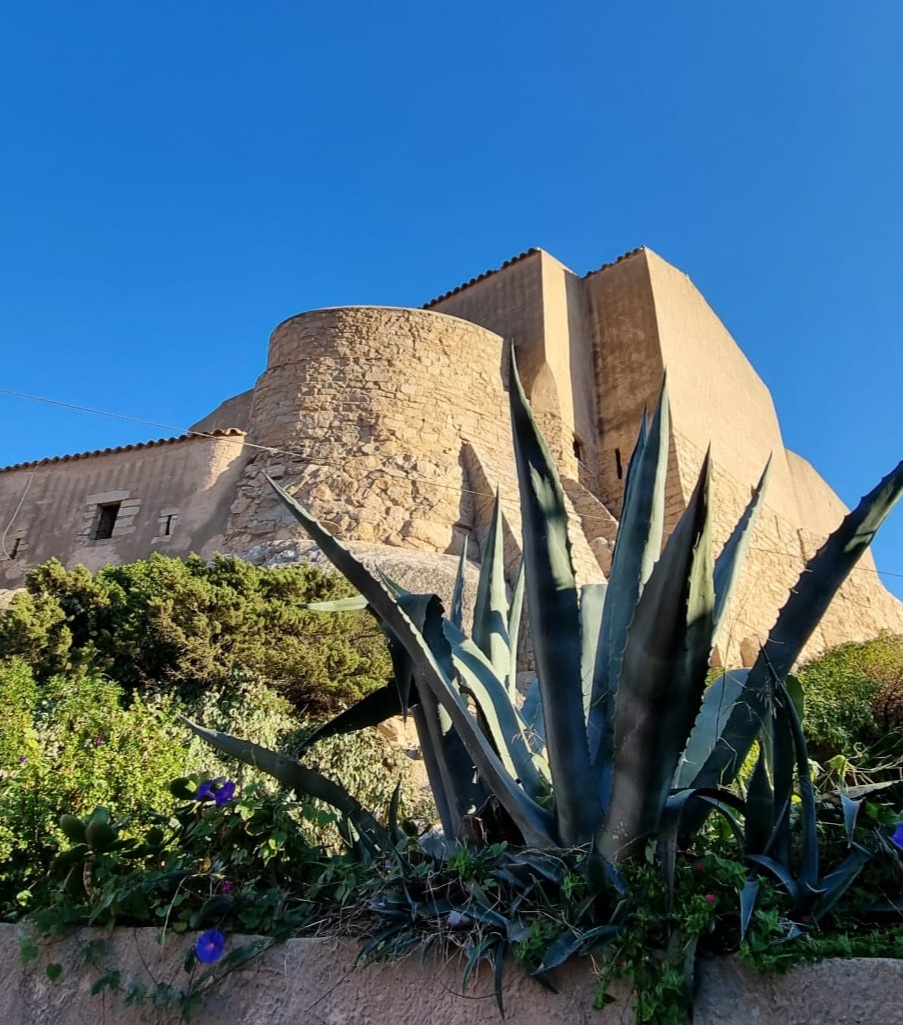
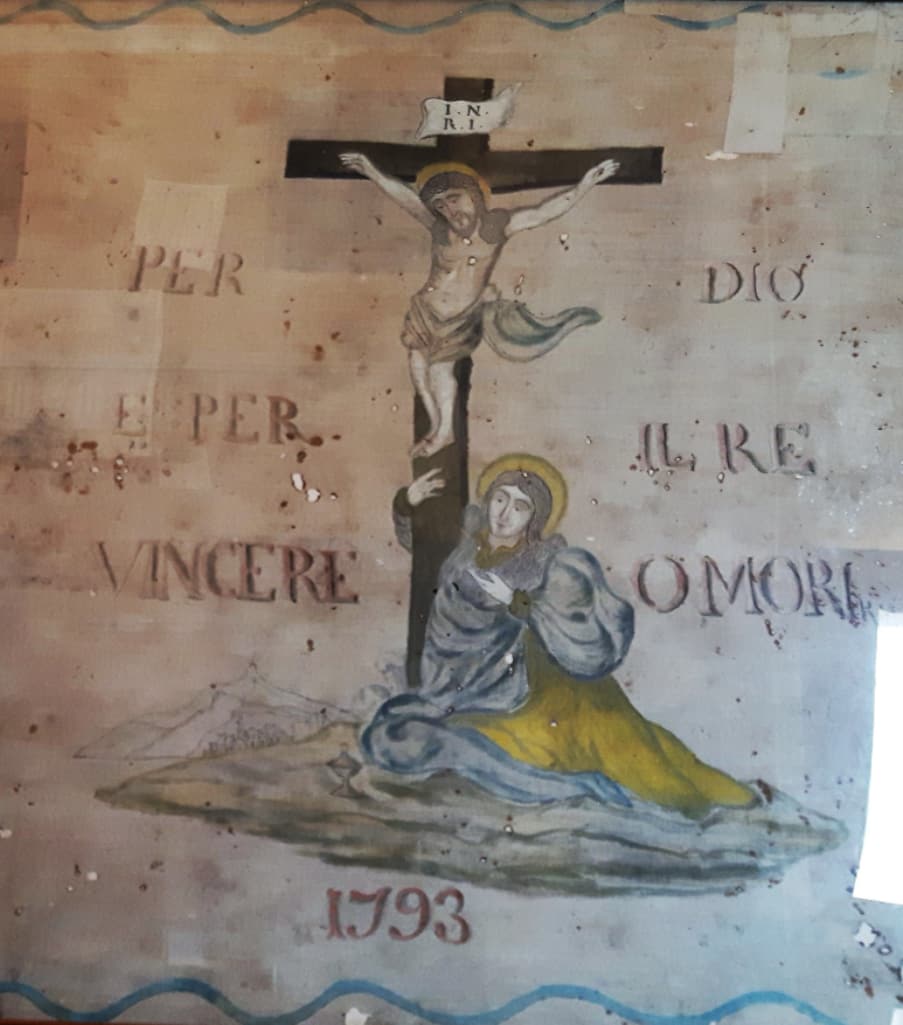
This is the 1700s; the forts of this period resemble more like medieval Towers and Castles, see Balbiano, Carlo Felice, Sant’Andrea and Sant’Elmo on La Maddalena, the Square Tower and San Giorgio on the island of Santo Stefano. A flag was hoisted on Fort St. Andrew with the inscription.
“For God and the King win or die”
, of the Magdalenian resistance against the Gallo-Corsa invasion, in which Napoleon participated. The attack was repulsed and extinguished in a matter of days in February 1793, thanks to the intervention of gallant Gallurese sailors, including Magdalen sailor Domenico Millelire, historically considered the first Gold Medal for Military Valor of the Italian Armed Forces.

In the early 1800s, His Majesty George III’s British also appeared in the Blue scenery of one of the most strategic archipelagos of the time; Lord Horatio Nelson, Duke of Bronte would station with HMS Victory and his fleet as many as 8 times from 1803 to 1805. After the eighth stop ended on January 19, 1805, we find Admiral Nelson again in the famous naval battle of Trafalgar fought during the War of the Third Coalition, part of the Napoleonic Wars. On October 21, 1805, the
Royal Navy
faced a combined Franco-Spanish fleet in Atlantic waters just west of Cape Trafalgar. The British fleet seized the most decisive naval victory, twenty-seven British warships under the command of Admiral Nelson aboard the Victory defeated thirty-three Franco-Spanish warships under the orders of French Admiral Pierre Charles Silvestre de Villeneuve. The Franco-Spanish fleet lost twenty-two ships, without a single British ship being lost. Toward the end of the century, we come to 1887, in the international political context of the Triple Alliance with Austria and Germany, the Italian state decided to build a modern military stronghold in the Archipelago. Logistical supports, barracks, dams, roads, batteries were built to keep pressure on the French border thanks to an extraordinary spending commitment authorized by a national law of the Ministry of the Navy. The Opere belong to this period: Eagle’s Nest, Punta Villa, and Punta Tegge in La Maddalena, Stagnali, Poggio Rasu, Punta Rossa, and Arbuticci in Caprera.
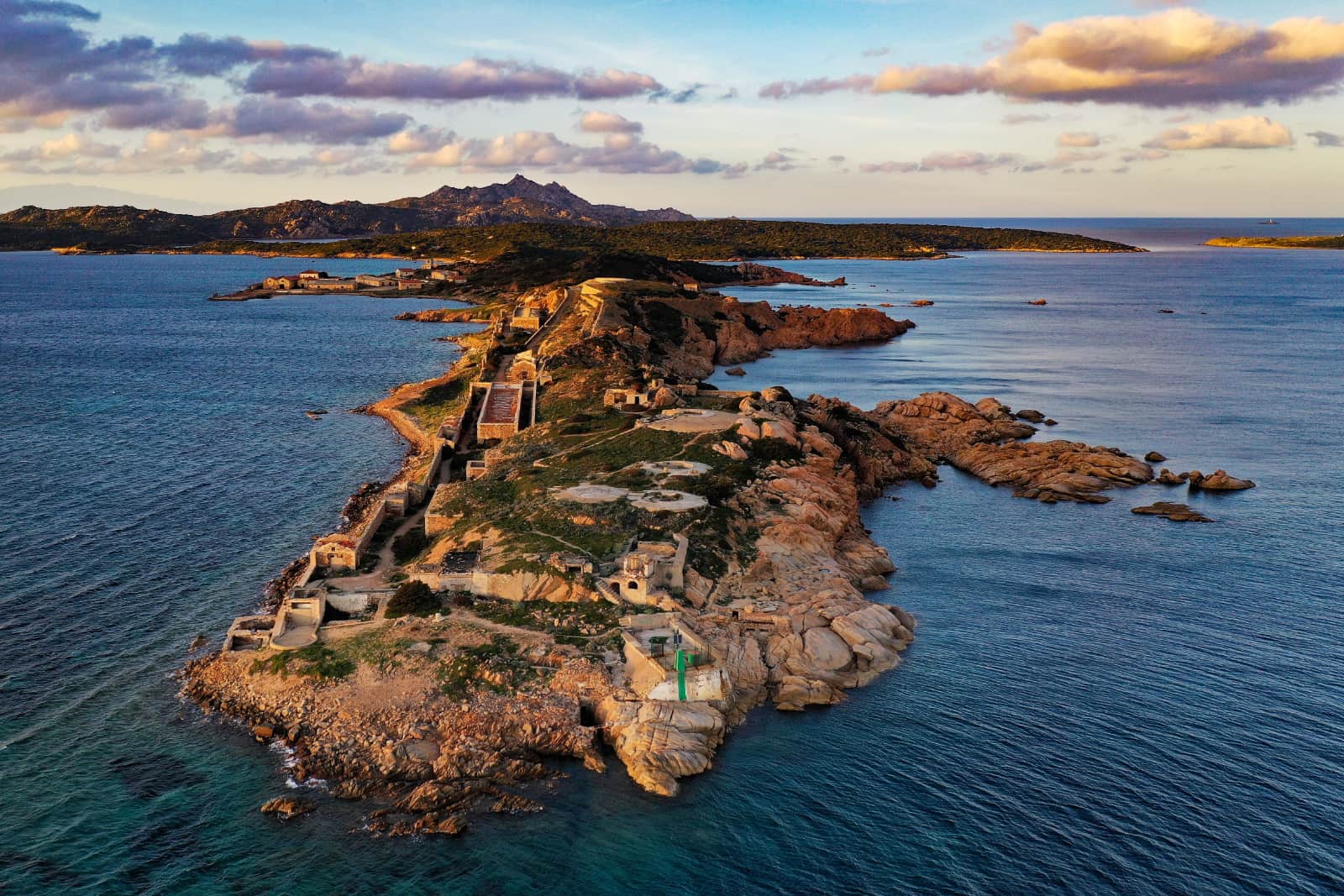
Contrary to the predictions of military analysts, World War I, did not closely affect the Magdalenian coasts and the fortifications remained unused; nevertheless, the delicate international balances, led Italy to invest new economic resources on the Isolan stronghold, in order to make it defensible from enemy Air Raids. In the 1930s and 1940s, numerous batteries camouflaged under rocks were built in the more peripheral areas, worthy examples are: Spalmatore, Carlotto and Puntiglione in La Maddalena, Zanotto and Pietrajaccio in Spargi, Candeo, Messa del Cervo, Isola del Porco, Poggio Baccà and Punta Coda in Caprera.
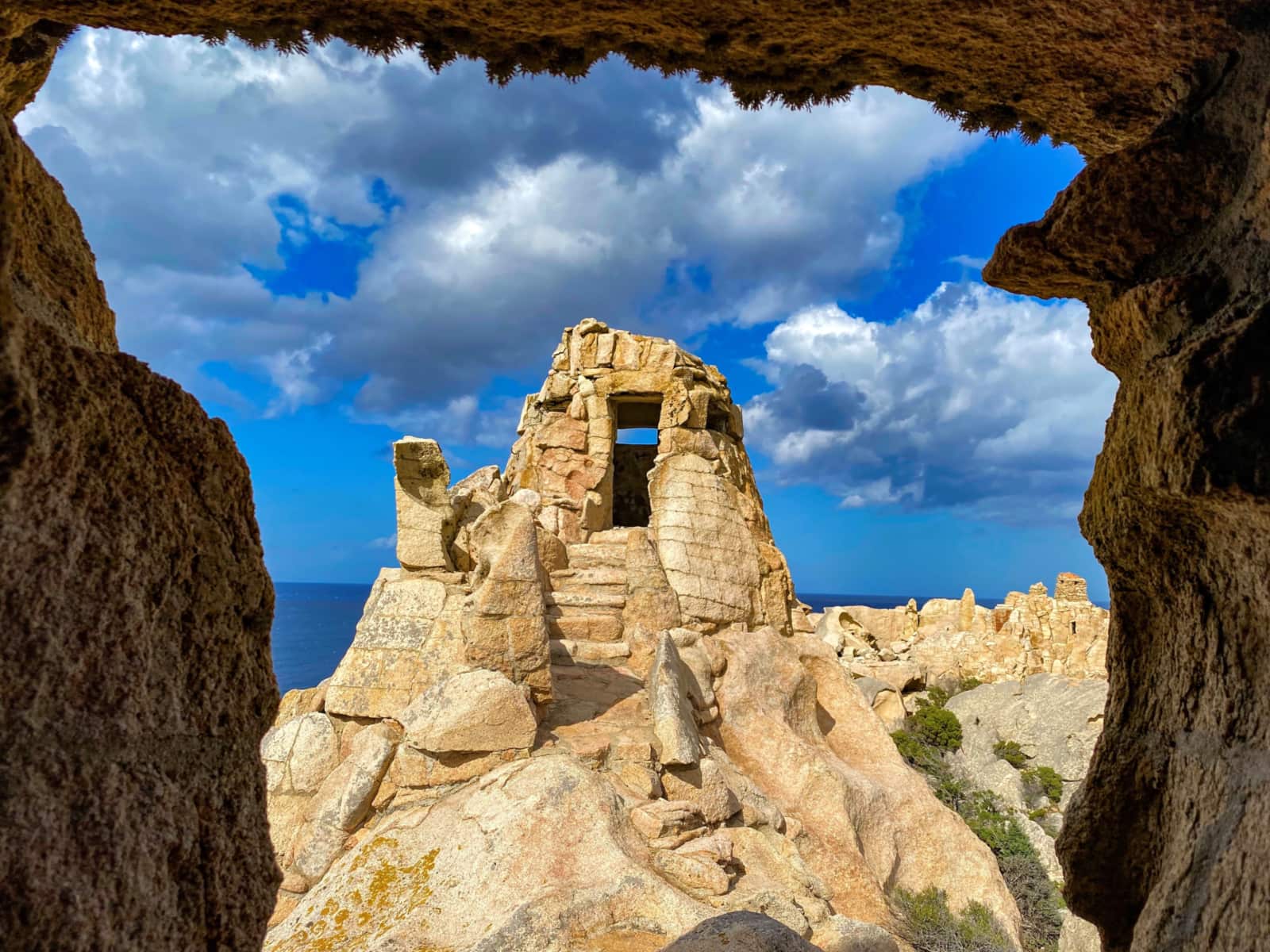
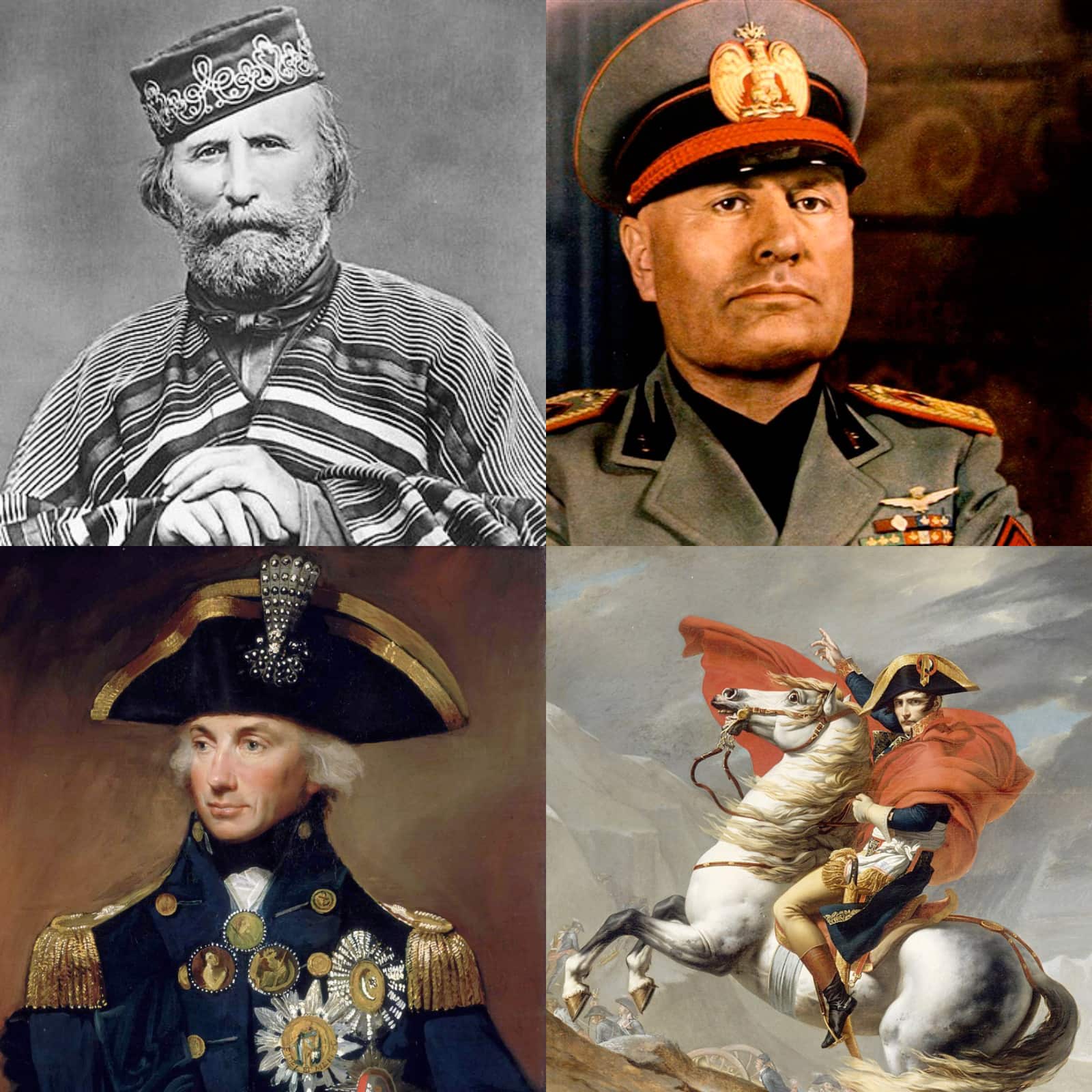
During World War II, the Archipelago was the scene of bloody events mainly related to the affairs of the Italian Fleet. Recall the sinking of the cruiser Trieste in the roadstead of Mezzo Schifo by the Anglo-Americans in April 1943 and the sinking of the battleship Roma off the coast on September 9 immediately after the armistice at German hands. After the fall of Fascism, Benito Mussolini was arrested on July 25 and transferred from Ponza to La Maddalena on August 7 aboard the destroyer Pantera. Mussolini was held prisoner at Villa Webber until August 27 and was the fourth of the “Greats” who linked his name to the events of the City after Napoleon, Nelson and Garibaldi.
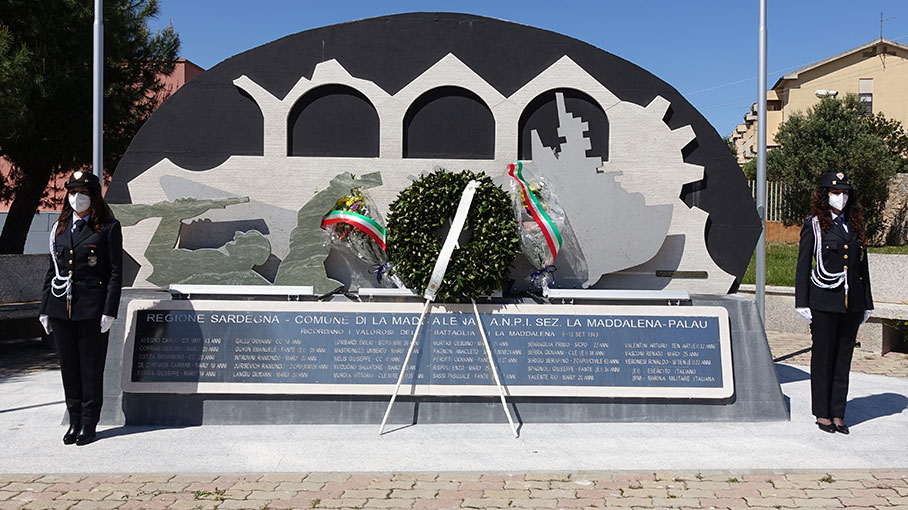
The days from September 9 to 13, 1943 marked the reaction of Army and Navy units against the Germans who had occupied the Army Base. In the “Battle of La Maddalena,” one of the earliest acts of Italian resistance, the heroism of 28 boys redeemed the honor and dignity of one of the Navy’s most heavily armed Piazzeforti. Citing two: Captain Carlo AVEGNO gold medal for military valor and Giovannino COTZA carabiniere bronze medal for military valor.
This was La Maddalena’s last act in the war, after which the Base would remain until the present day an “Educational Base” with its Non-Commissioned Officers’ Schools training naval motorists, ship’s helmsmen and harbor (Coast Guard) officers, with the Admiralty Palace used as a summer residence by Presidents of the Republic Cossiga, Ciampi, Napolitano and Mattarella. From 1972 to 2007-2008, the Archipelago was also the site of a U.S. Naval Support Activity (NATO), Italy as an Atlanticist country hosted the U.S. Navy support ships with their atomic puppies at the island of Santo Stefano and a whole series of logistical commands at La Maddalena. Despite cultural differences, the two communities have never entered into conflict and have lived in harmony in the 35 years of living together. The only two real moments of tension occurred during the “Gulf War” between 1990 and 1991 and during the terrorist attacks of September 11, 2001. Though few in number, La Maddalena’s 255 years are as we have seen, crisscrossed with rivers of international history, the tours proposed by the Skipper of WILLY BROWN, Valentino, also offer this, an interpretation of the area that only those who were born and have lived here can give if animated by historical passion and attachment to their native places.
An archipelago to love
His Cocktail is based on Islands (seven parts), just enough sunshine, just enough mistral, and cobalt blue, emerald, and turquoise transparencies and reflections.
The advice, although it is nonalcoholic, is to drink it in moderation; it can be as intoxicating as a chilled Vermentino di Gallura.